

Helping GenZ Backpackers stretch their budget while staying true to their values
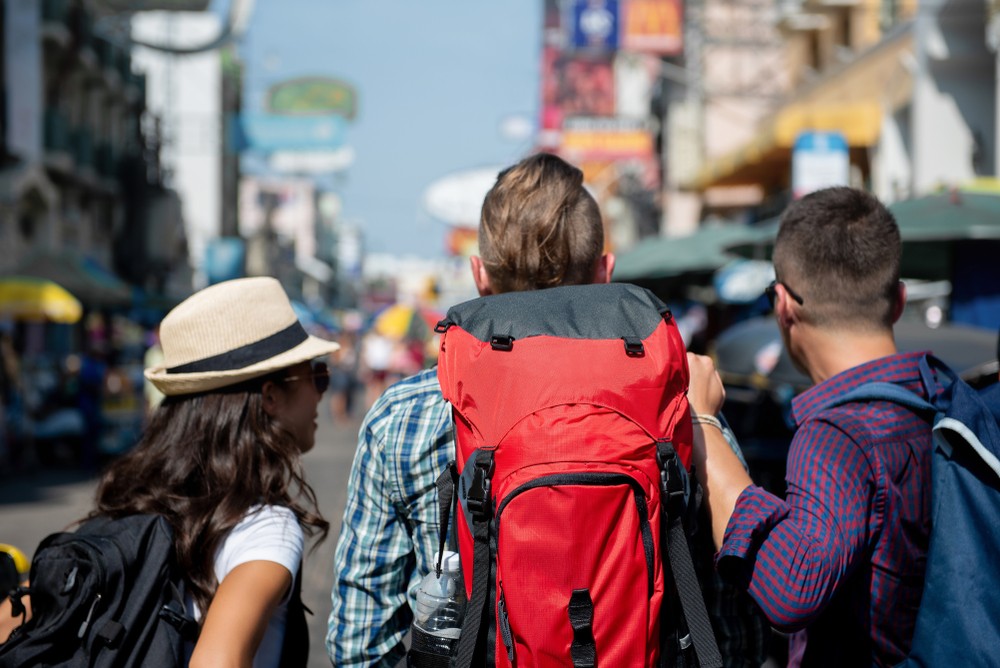
Lonely Planet has guided generations of travelers with its trusted recommendations and global insights. But with changing travel behaviors and values, there's a need to realign with a new audience: Gen Z. These young backpackers prioritize sustainability, community, and conscious consumption. Yet, many struggle with planning, often leading to unnecessary purchases and overconsumption. They seek ways to stretch their budget by reusing and sharing items while staying true to their values. The goal is to understand and support Gen Z’s desire for meaningful, budget-friendly, and eco-conscious travel.
An opportunity to digitize the analog in the backpacker experience
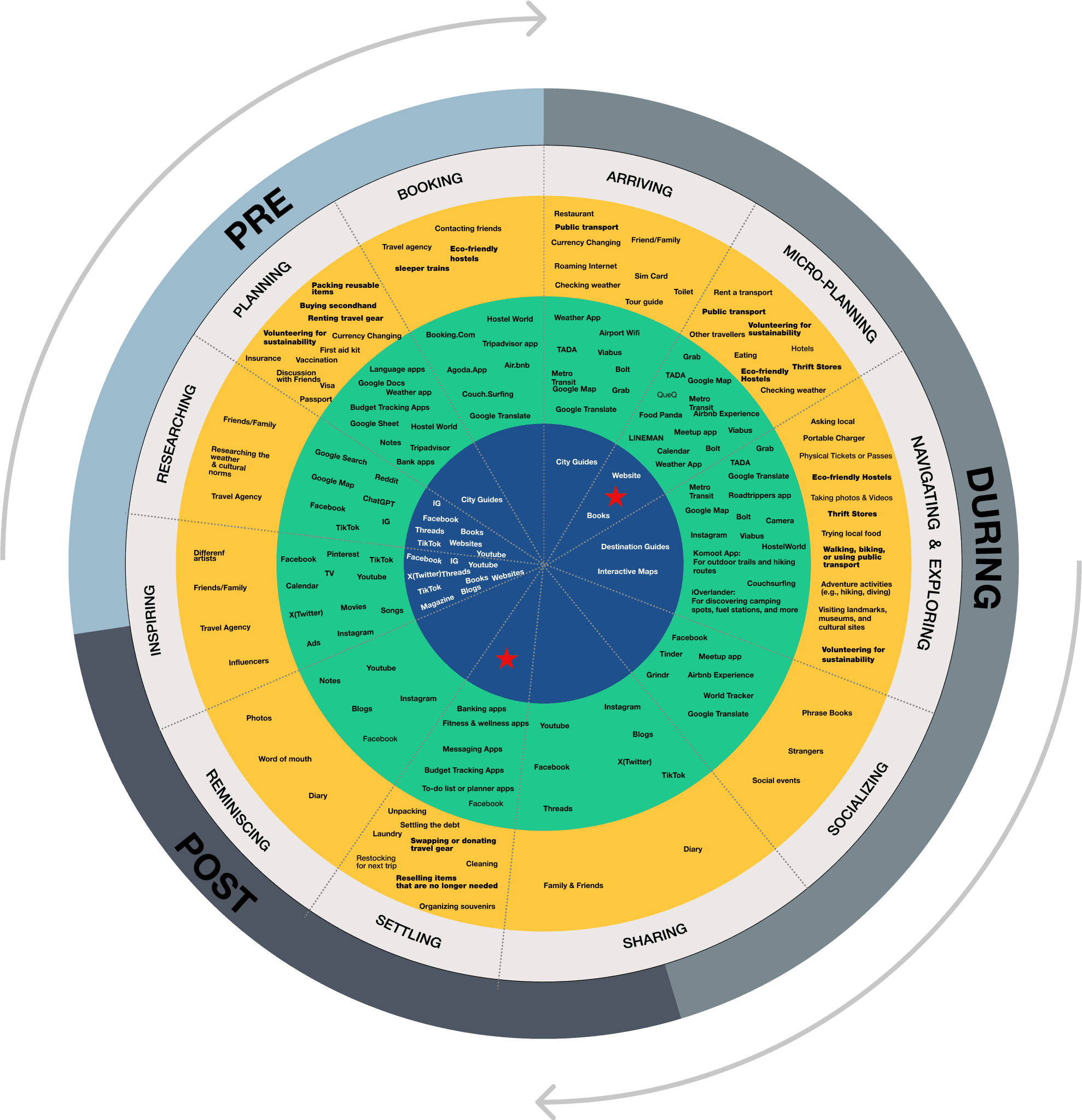
To identify key gaps and opportunities to better support modern travelers' evolving needs, we analyzed the Gen Z backpacker journey across pre-travel, during-travel, and post-travel phases, focusing on the tools and services used throughout by examining Lonely Planet within the broader travel ecosystem.
Lonely Planet Product
Digital Tools
Analog Tools & Activities
From ecosystem map, we found out that there are some phases where Lonely Planet’s services lack. Among them, we chose Micro Planning and Settling Phase as our opportunity area to digitalize the analog experience during the trip because, despite all the digital tools available, many backpackers still rely on offline methods. We want to help them as an essential tool that would be specifically needed for backpackers and the first thing they remembered on their trip.
No trusted, flexible way for backpackers to access gear on the go
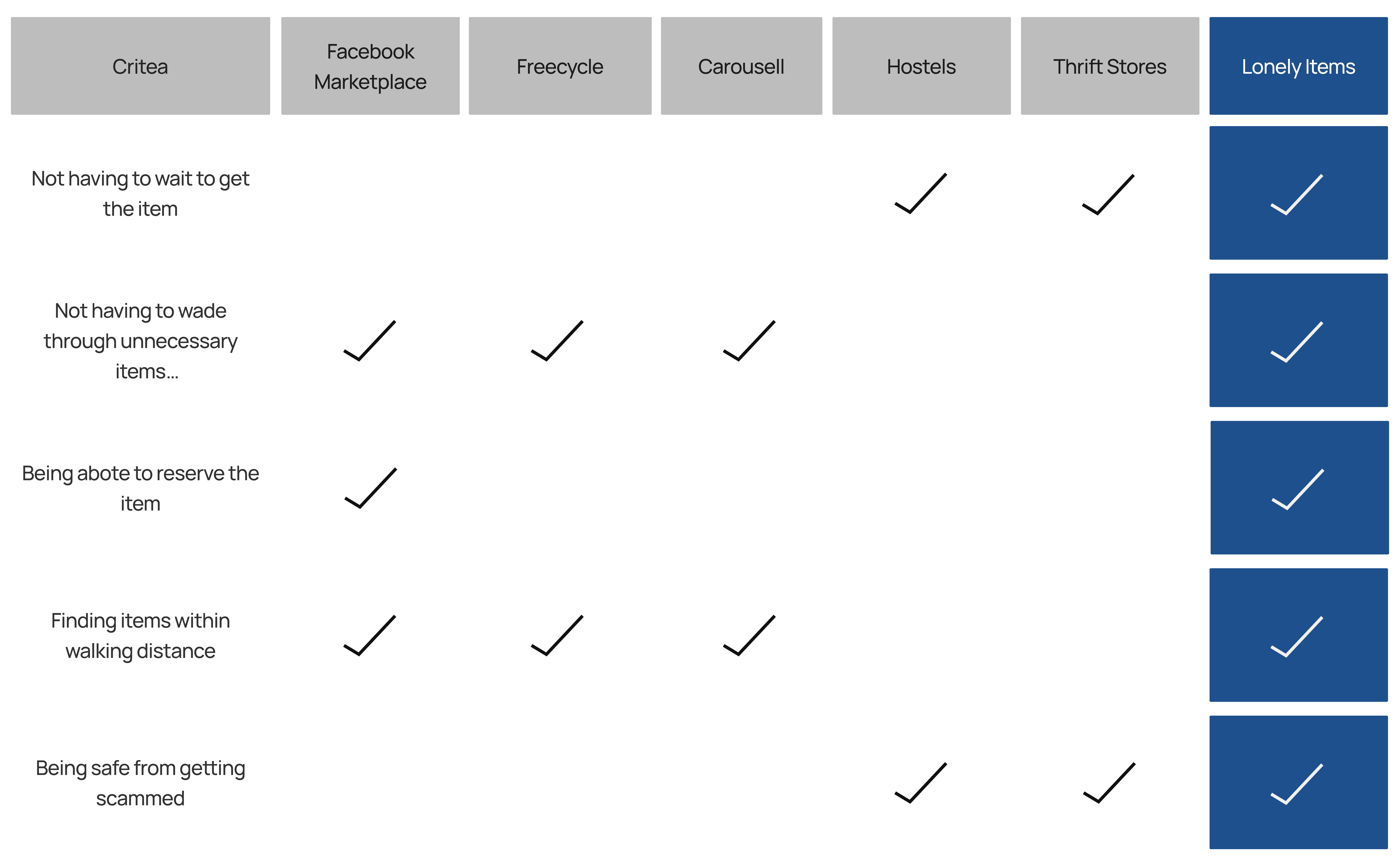
We explored existing marketplaces to see how travelers access essentials. Physical options were often out of reach, and digital ones lacked trust and timing flexibility. While others focus on sustainability, no platform truly supports Gen Z backpackers looking for affordable, secure, and accessible gear on the go. That’s where we saw the gap and the opportunity.
The biggest struggle? Knowing what to pack and what you’ll actually need
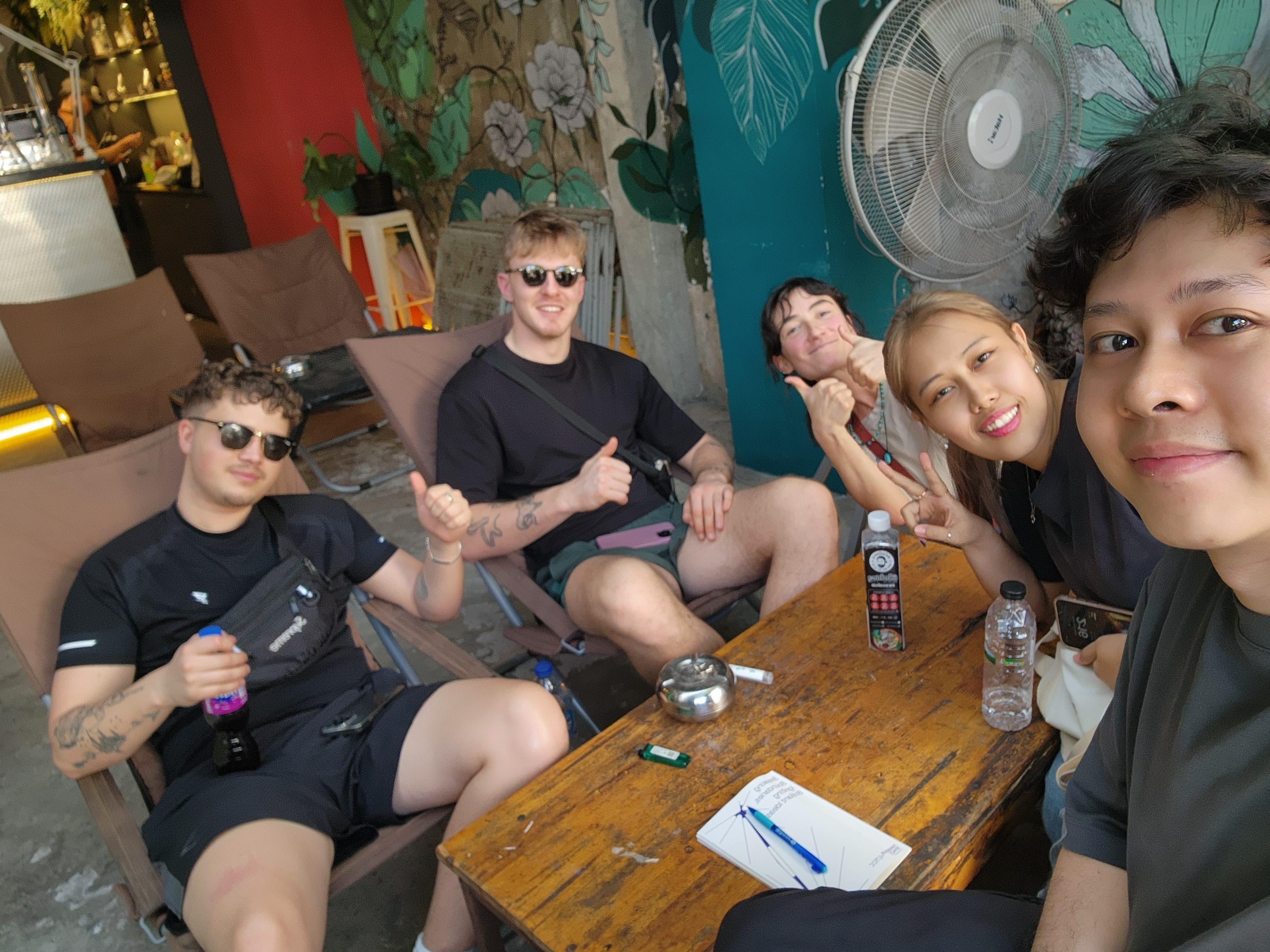
We interviewed 22 backpackers including 11 male and 5 female travelers, from countries like UK, Belgium, Australia, France & Georgia. Some were traveling solo, others in groups, but most were on extended trips of at least 3 months, exploring Southeast Asia.
Our goal was to understand the real struggles Gen Z backpackers face throughout their journey. In the first round, we focused on broad questions; what challenges they encountered, how they prepared, and what surprised them. Many shared the same issue: figuring out what to bring and what they'd actually end up needing.
In the second round, we asked more targeted questions around packing, sharing, and item management. We noticed a pattern that many travelers left behind useful items they no longer needed, often unsure what to do with them.

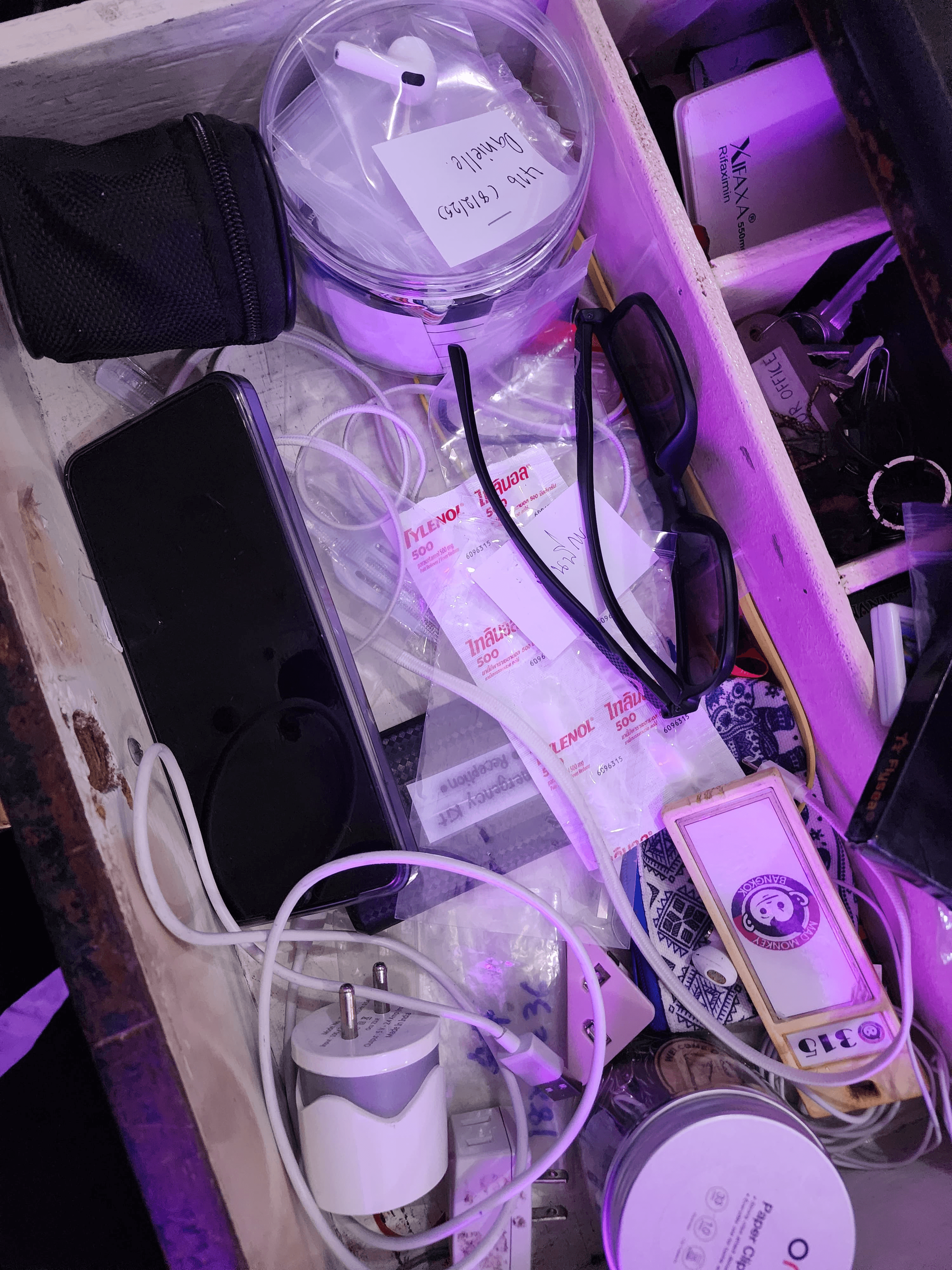
Hostels hold onto left-behind items but there’s no system for reuse or sharing
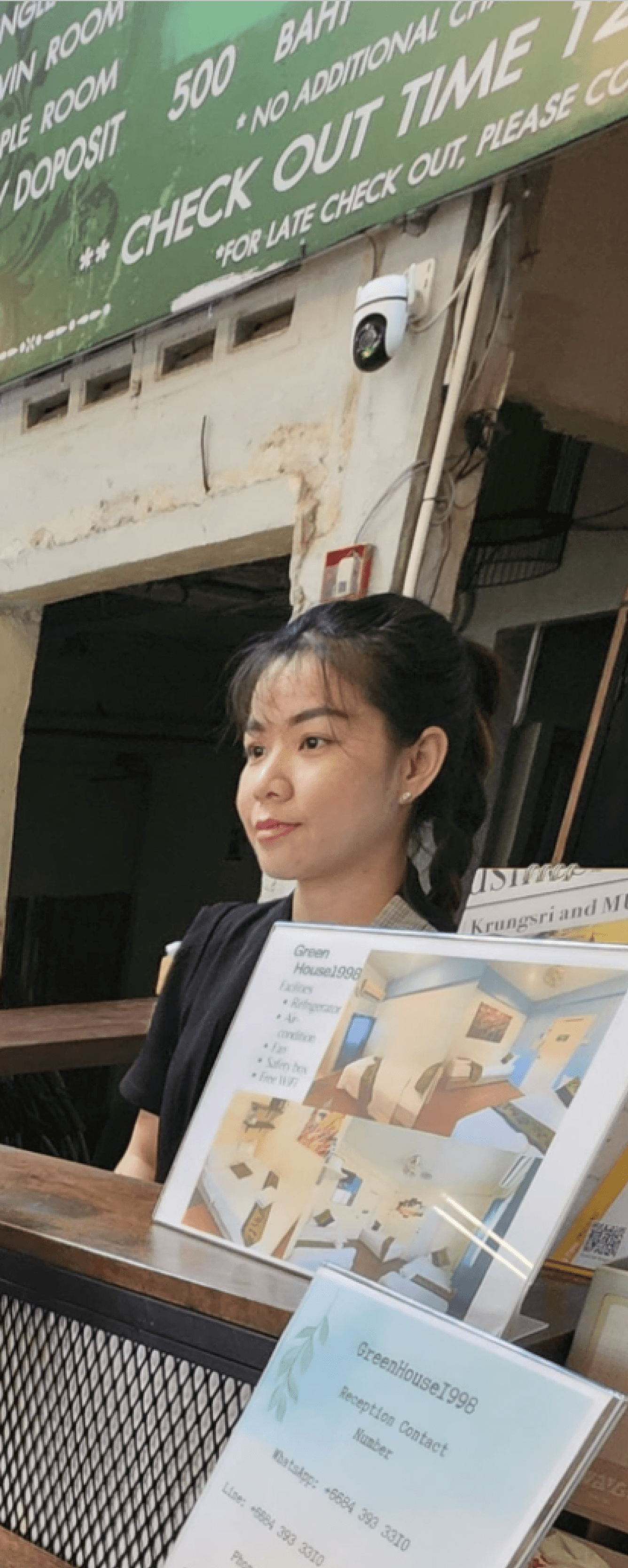
We also spoke with hostel staffs from 8 hostels to understand their side of the story. Most confirmed that backpackers regularly leave items behind, and many hostels keep these things, sometimes for reuse, sometimes just piling up.


From light packers to over-preparers, each reveals unique challenges and behaviors
After analyzing patterns from our interviews , we created three backpacker personas based on packing habits, budget strategies, and how they find essentials on the road. From light packers to over-preparers, each reveals unique challenges and behaviors highlighting key opportunities to support Gen Z travelers.

Under-packed Uma
“I like traveling light affordably, so often I end up forgetting things I need”
Pain Points
I often forget essential items.
It’s hard to get all the needed items and also stay sustainable.
Packing process is so overwhelming and boring for me.
Workarounds
I ask hostels if there are any left-behind items.
I try to borrow or exchange, but sometimes I need to buy a new one.
I ask experienced travelers to make it easy.

Perfectly packed Pedro
“I always plan ahead, but unexpected situations arise during a trip, forcing me to find essential items.”
Pain Points
Despite planning, long trips require items I didn’t anticipate.
Based on my next destination, I often need to rearrange packing.
I struggle to balance packing light with having what I truly need.
Workarounds
I look for the needed items ungently.
I usually donate or give away what I don’t need for the next destination.
I bring multiple purposes items.

Over packed Oren
“I always pack too much and end up with things I don’t use.”
Pain Points
I overpack, and I realize I don’t need most of the items I bring.
I am afraid to not be prepared for emergency situations.
Carrying all the unnecessary gear makes traveling uncomfortable and tiring.
Workarounds
Sometimes I leave extra items at the hostels.
I pack everything I might need for any given possible situation.
I end up spending money to ship items home.
Behind the counter: One keeps it green, the other keeps it running
We also identified two hostel staff personas from our interviews. These represent the people who manage left-behind items and interact daily with backpackers—making them essential players in the item-sharing ecosystem.
Sustainable Som
“We always have items left behind, and I’d love to make them useful again."
Pain Points
Wants to ensure the left-behind items don’t go to waste.
Needs something to make her hostel truly stand out.
When the left-behind items pile up, I have to go and donate them.
Workarounds
Tells new backpackers at the hostel that they can ask her to look for the items they need.
Promotes the hostel's sustainability efforts by offering left-behind items for free
Collaborates with local organizations to manage excess items efficiently.

Busy Bella
“With so many guests coming and going, we lack time to check the storage for items new backpackers might need.”
Pain Points
Not sure the owners will come back to pick up the items or not.
Doesn’t have time to give away the left-behind items to guests.
Can’t keep all the left-behind items for the extended periods
Workarounds
Contacts the owners and delivers the items to them if they request
Only gives items to guests upon request but doesn’t promote this service.
Rotates storage by periodically donating unclaimed items to staff and charity.
Lonely Items becomes our solution
A digital thrift store at hostels where GenZ backpackers can share, give away, or pick up free travel essentials from fellow travelers.
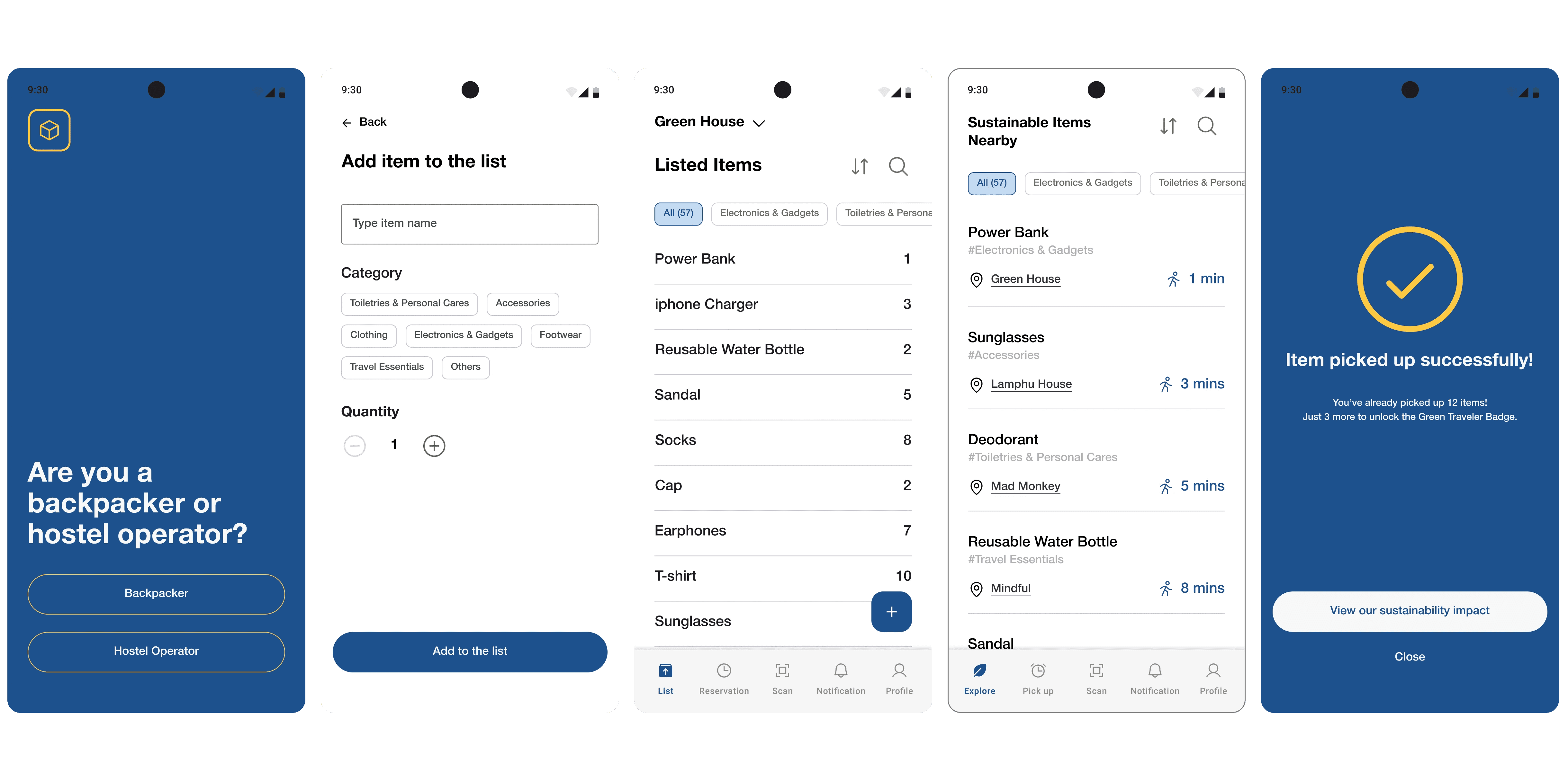
A system that lets backpackers pick up free items from hostels nearby
Hostels list left-behind items they’re willing to pass on.
Backpackers browse and reserve what they need before or during their stay.
They pick up the items directly at the hostel,no shipping, no waste.
Let's See, How might Sustainable Som get rid of the left behind items at her hostel
Sustainable
Som
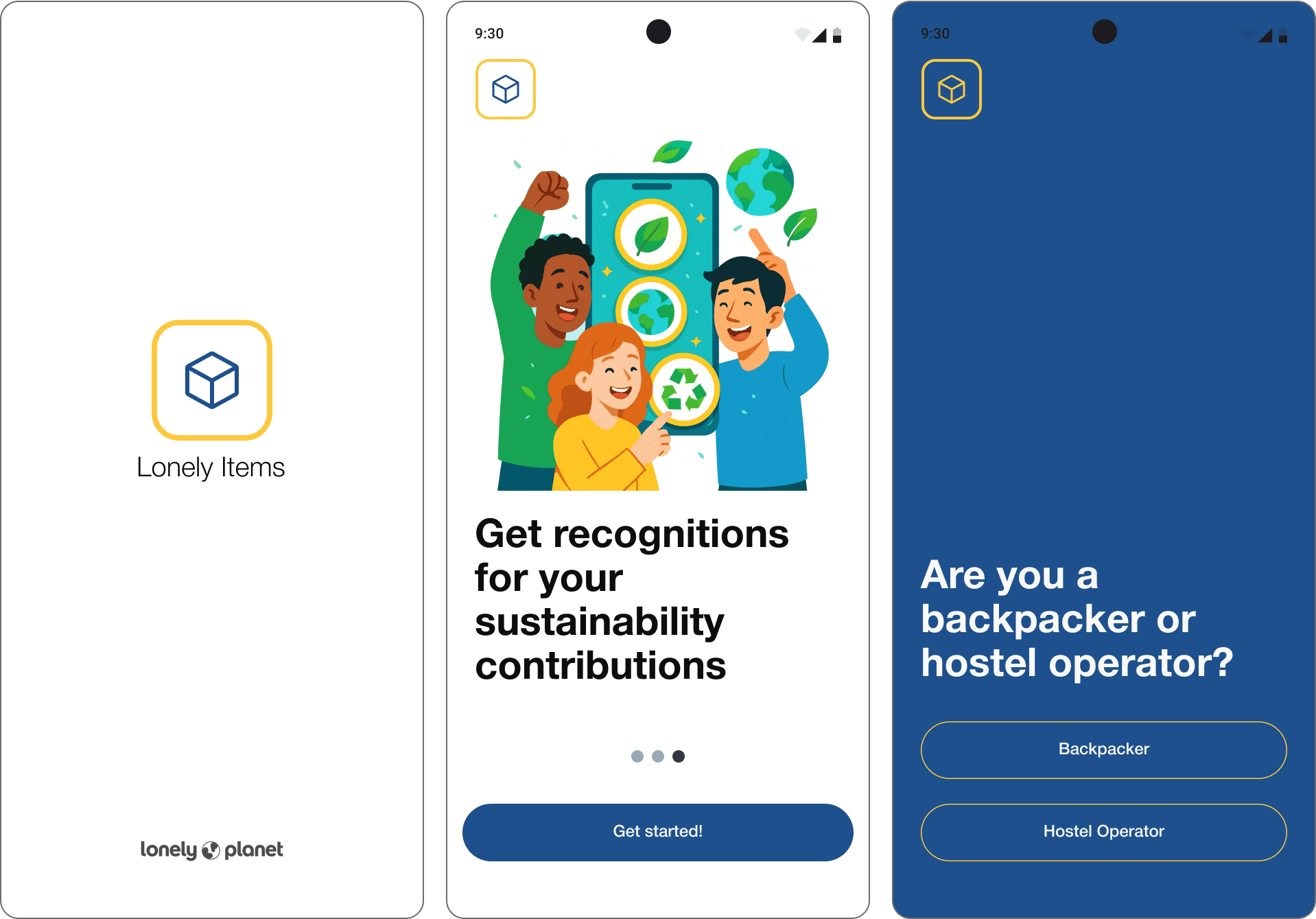
Sustainable Som wants to list some left behind items so she opens the account firstly.
Sustainable
Som
Som starts listing items in the markplace.
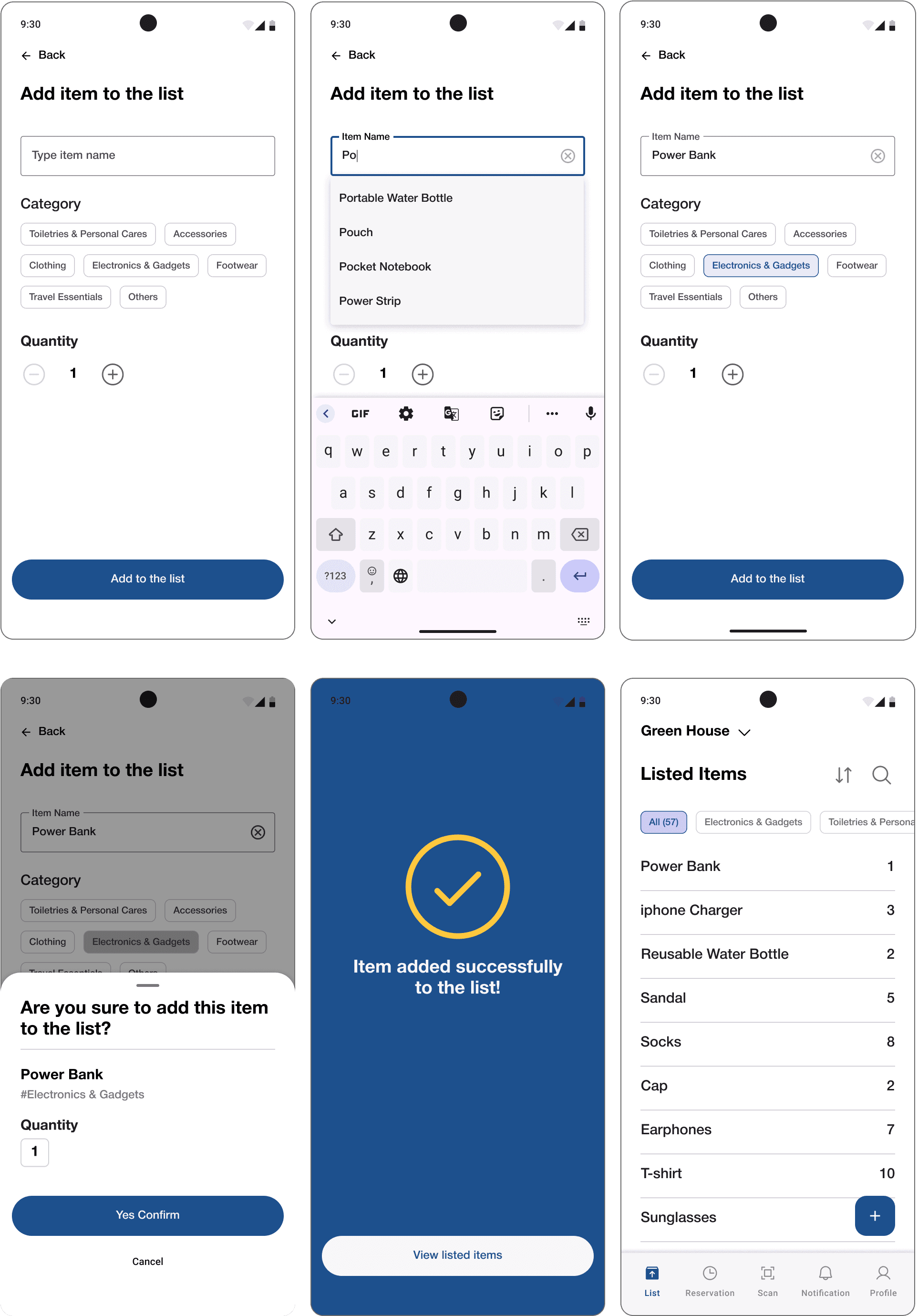
Greate ! Som successfully listed item . Now, how might Under-packed Uma get a free item from Som's Hostel.
Underpacked Uma needs a powerbank on the way and starts browsing. The app displays available items in nearby hostels, starting from the closest to the farthest, based on her current location.

Underpacked
Uma
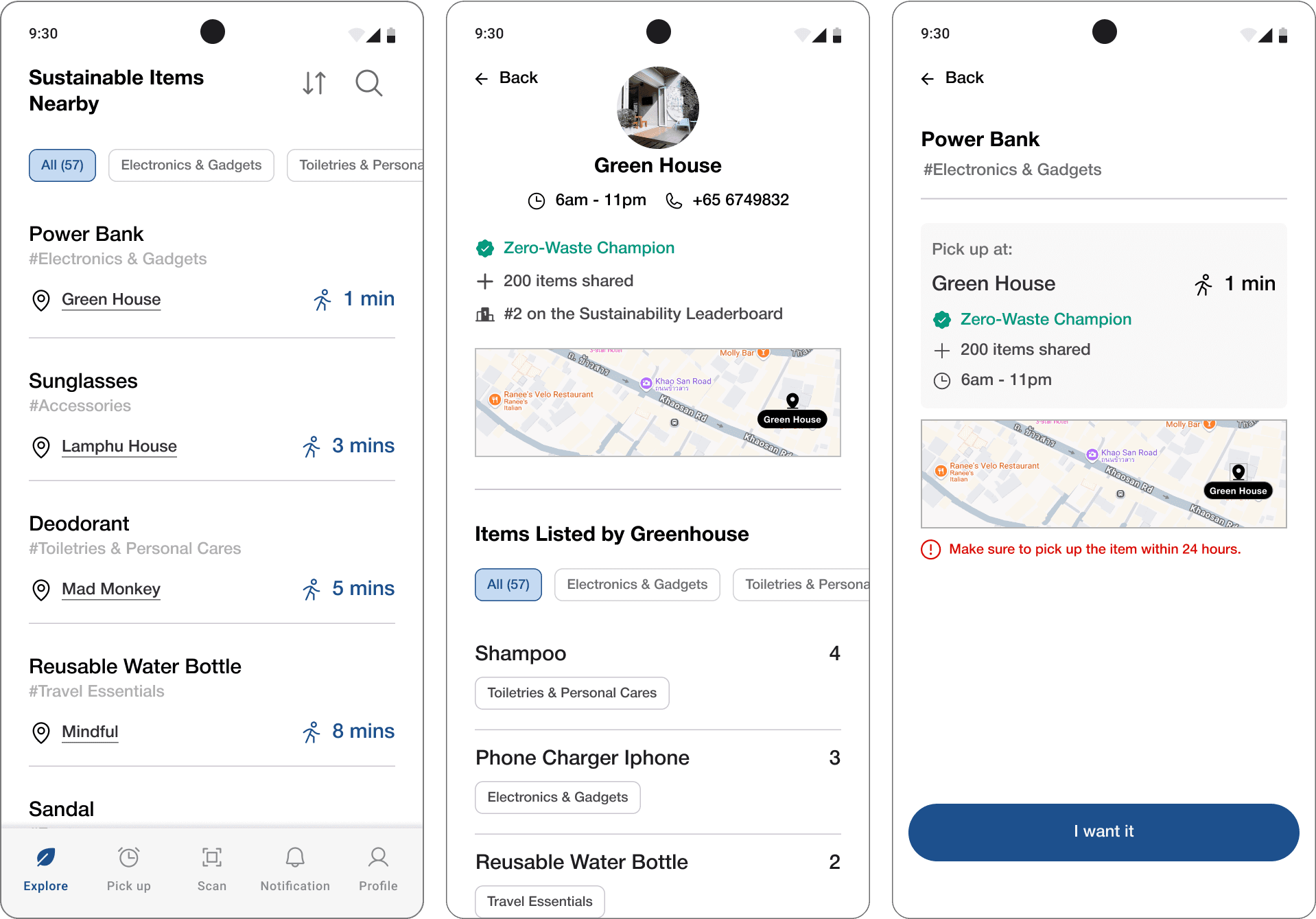
Uma reserved the item and set out to the hotel to pick up.
Underpacked
Uma

Sustainable
Som
Som scans the QR code from Uma, views the reservation details and then confirms the pickup.

Successful !
Now Under packed Uma gets a free power bank and gives it a sustainable second life and Sustainable Som can now get rid of the power bank instead of letting it pile up in storage.

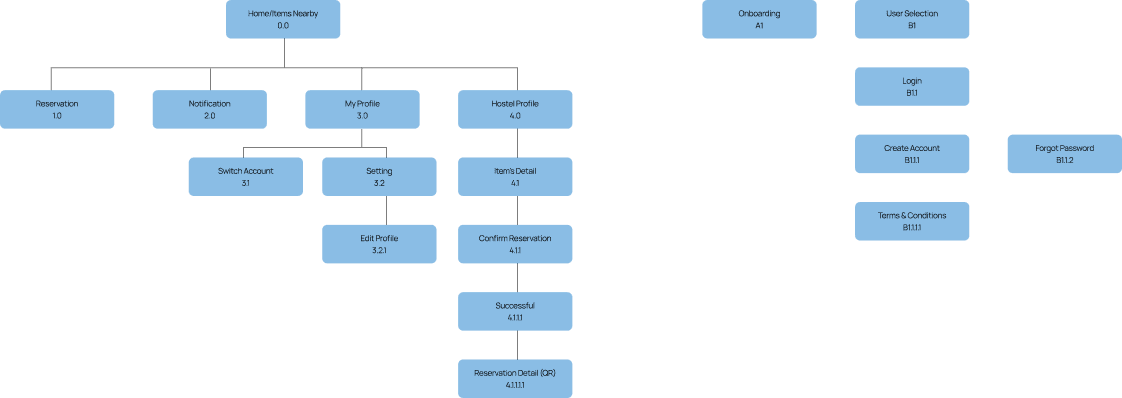
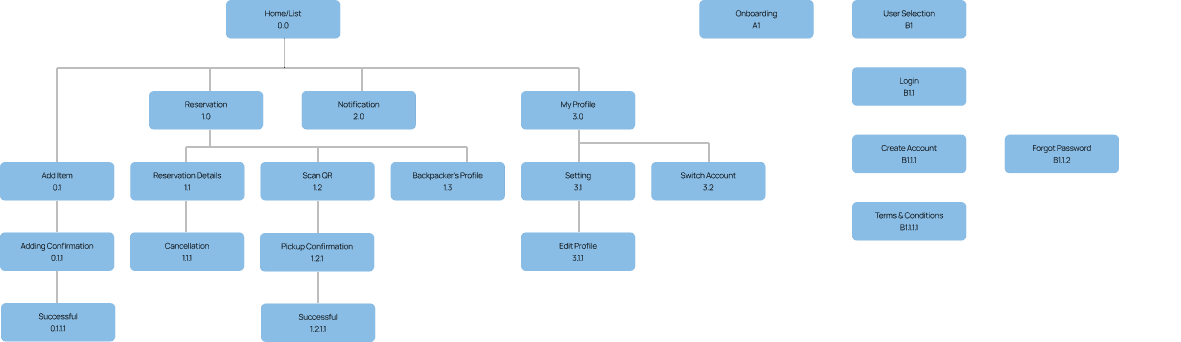
The underlying structure of the app to guide users smoothly from search to pickup
There are two sitemaps for both backpackers and hostels.
Backpacker (18 pages)
Hostel Operator (22 Pages)
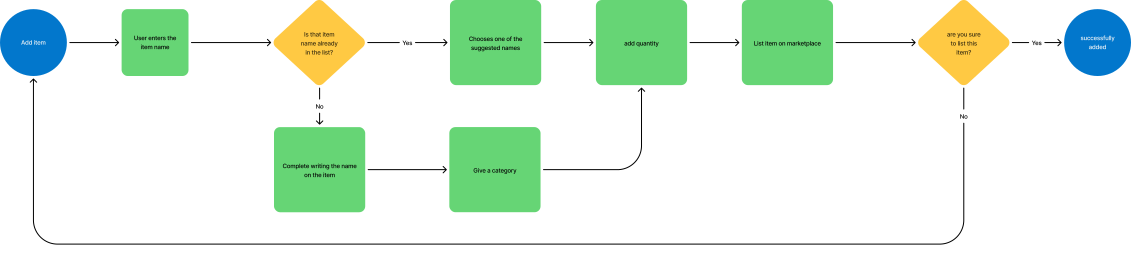
From listing to pickup: what the flow looks like for every user
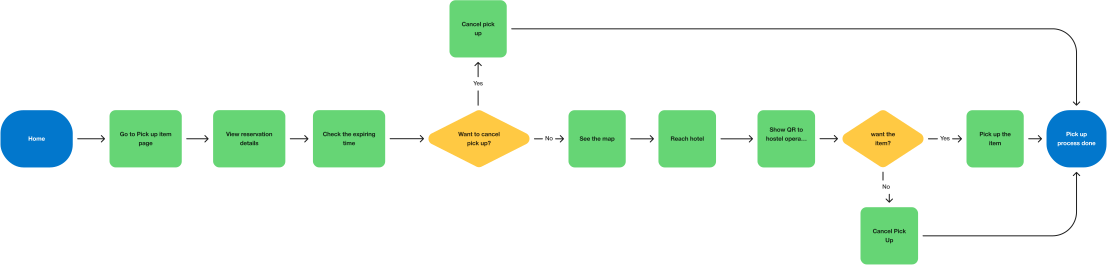
For both sides, there are a total four user flows: listing item process, reservation process, picking up process and giving away item process.
Listing Process of the Hostel Operator
Picking Up Process of the Hostel Operator

Reservation Process of the Backpacker
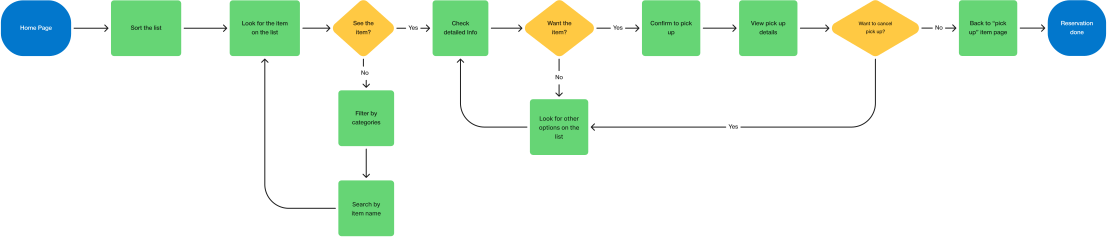
Pick Up Process of the Backpacker
Designing for Clarity and Ease: Using Lonely Planet’s Palette
While creating UI design, we focused on creating a calm, utility-first experience. The goal was to keep the interface clean, clear, and easy to navigate, even in unpredictable environments. We drew inspiration from Lonely Planet’s brand palette, adapting its iconic blue, yellow, and green into a digital context:
From uncertainty to clarity—what this project revealed about process and people
This project helped me not only grow as a teammate and designer but also understand the core problem we set out to solve; how Gen Z backpackers can access essential travel items in a smarter, more sustainable way.
Through research, interviews, and concept development, I learned how to break down complex user journeys and translate real pain points into meaningful design opportunities. It also improved my time management, storytelling, and collaboration skills.
Working with a supportive and balanced team taught me how to contribute confidently, even outside my comfort zone, and reinforced how important clear communication and shared responsibility are to a successful outcome.